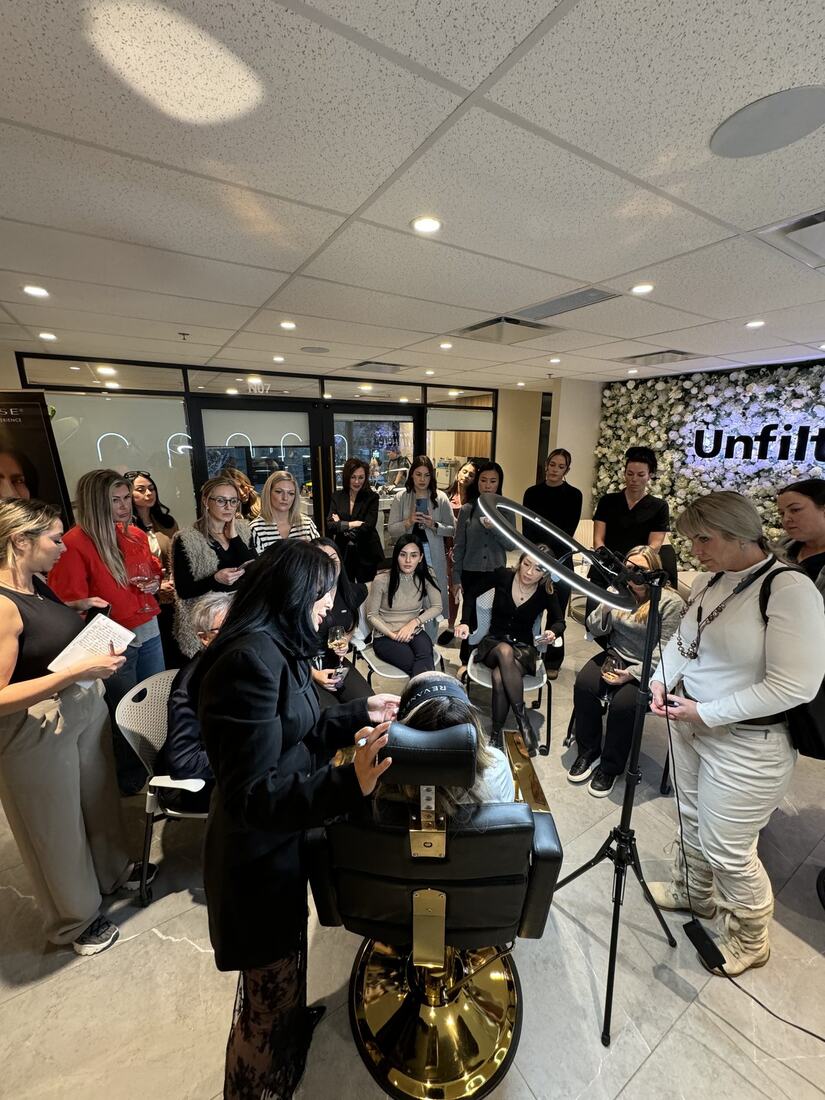
Every week a nurse asks me the same question: how do I get into injecting in Ontario? The honest answer has more steps than most course ads admit, and the rules change on March 1, 2027. This is the path I would give a nurse I was mentoring.
On this page
The short answer
In Ontario, Registered Practical Nurses, Registered Nurses and Nurse Practitioners can all work as injectors. RPNs and RNs cannot inject on their own authority. Injecting neuromodulators and dermal fillers involves controlled acts, so you need an order from an authorized provider, such as a physician or a nurse practitioner, plus proper training and a safe clinical setting.
Your licence makes you eligible. Your training, your orders and your judgement make you an injector.
Step 1: Know what you are legally allowed to do
The College of Nurses of Ontario (CNO) published its first dedicated guideline for nurses in medical aesthetics, Aesthetic Services, on July 3, 2026. It is clear that injecting neuromodulators and dermal fillers involves two controlled acts: performing a prescribed procedure below the dermis, and administering a substance by injection.
For RPNs and RNs, that means three things have to be true before you inject anyone:
- Authority: an authorizing mechanism, such as an order, from an authorized provider like a physician or NP.
- Competence: you have the knowledge, skill and judgement for that specific procedure, not just a certificate.
- Context: your setting supports safe care, including emergency supplies and a plan for complications.
Nurse Practitioners have a broader scope, including prescribing, and many act as the authorizing provider for RN and RPN injectors.
Step 2: What changes on March 1, 2027
On October 14, 2026, CNO's Council approved updates to the Scope of Practice and Medication standards. They take effect on March 1, 2027, and they matter for every nurse injector in the province:
- Client specific orders, not directives. Nurses providing aesthetic services will need client specific orders, rather than directives, for treatments involving prescription drugs or controlled acts.
- An assessment comes first. Before issuing a client specific order, the authorized provider completes an initial client assessment, in person or virtually, and sets a plan of care with follow up.
- Delegation stays your responsibility. If you delegate a procedure, you remain responsible for making sure the person can do it safely, and you stay onsite for the whole procedure when the delegate lacks authority for the controlled act.
In practice, if you are setting up today, build your practice around a prescriber who will assess each new client, not a single directive that covers everyone. It is better to start the right way than to restructure in March.
Step 3: Get the right training, in the right order
CNO's guideline expects training and ongoing education that match the procedures you perform. In my experience the order matters as much as the content:
- Foundations first. Facial anatomy, vascular safety, neuromodulators and dermal filler basics, with supervised hands on time on live models.
- Complications before confidence. You should be able to recognise a vascular occlusion and explain your hyaluronidase protocol before you inject your first lip.
- Consultation and assessment. Most of what separates a good injector from a busy one happens before the needle: reading the whole face and knowing when to say "not yet."
- Supervised volume. A weekend course gives you a technique. It does not give you hours. Shadowing and mentorship close that gap.
Step 4: Approved products, insurance and a safety plan
- Use only products, substances and equipment authorized by Health Canada. CNO's guideline addresses this directly.
- Confirm that your professional liability protection covers aesthetic procedures before you start.
- Keep hyaluronidase and emergency supplies on site, with a written plan for after hours complications.
- Advertise ethically. CNO's guideline also covers advertising by nurses and employers.
Step 5: Go past foundations
Once you are injecting safely, advanced training is where your results and your reputation start to separate from everyone else's. These are the programs I teach across Ontario, at Mirror in Milton or at your own clinic:
- Advanced lip filler training: the Nurse Yara Technique 2.0, definition over volume, on live models.
- Facial balancing training: full face assessment, chin, jawline and midface planning.
- Biostimulator training and PRF and PRP training: collagen and regenerative treatments.
- The Mirror Mentorship: six months inside a working clinic, observing, assisting, then injecting under supervision.
Red flags in injector courses
- No licence check before you register, or courses open to people who cannot legally inject.
- No live models, or one model shared by a room full of students.
- Devices Health Canada has not authorized, such as hyaluron pens. Read why I do not teach hyaluron pen training.
- No complication management, or "it never happens" as the answer.
- Promises that you will be fully booked after one weekend.
Questions nurses ask me
Can an RPN be a nurse injector in Ontario?
Yes. RPNs, like RNs, can administer cosmetic injections in Ontario when they have an order from an authorized provider, such as a physician or nurse practitioner, and the training and competence for the procedure. RPNs cannot inject on their own authority.
Do nurse injectors in Ontario need a medical director?
RNs and RPNs need an authorizing provider, such as a physician or nurse practitioner, to order the treatment. From March 1, 2027, CNO requires client specific orders rather than directives for aesthetic treatments involving prescription drugs or controlled acts, with an initial client assessment by the authorized provider first.
What changes for Ontario nurse injectors in 2027?
CNO standards updated on October 14, 2026 take effect on March 1, 2027. Nurses providing aesthetic services will need client specific orders rather than directives for treatments involving prescription drugs or controlled acts, and the authorized provider must complete an initial assessment, in person or virtually, before issuing the order.
How long does it take to become a nurse injector in Ontario?
The foundational course itself can take a few days, but becoming competent takes supervised hours on real clients. Most nurses I train spend months building confidence after their first course. Shadowing and mentorship shorten that curve safely.
Can I take injector training in Ontario if I am licensed in another province?
You can take the education, but a licence from outside Ontario does not allow you to inject live patients in Ontario. Training can be planned around that, or held at your own clinic.
- College of Nurses of Ontario: Aesthetic Services practice guideline (PDF)
- CNO: New guideline for nurses supports safe aesthetic services (July 3, 2026)
- CNO: New requirements for nurses providing aesthetic services (October 14, 2026)
This article is general education for licensed professionals, current as of November 2026. It is not legal or regulatory advice. Always check the College of Nurses of Ontario's current standards for your own practice.
Ready to go past foundations?
Advanced lip, facial balancing, biostimulator and PRF training for licensed nurses and physicians across Ontario, at Mirror in Milton or at your clinic. Or apply for one seat in the six month Mirror Mentorship.
Request a training See all training